Two-Pager: Standards for Critical Raw Materials

China Knowledge Network
Document
READ THE TWO-PAGER HERE
(102.97 KB)
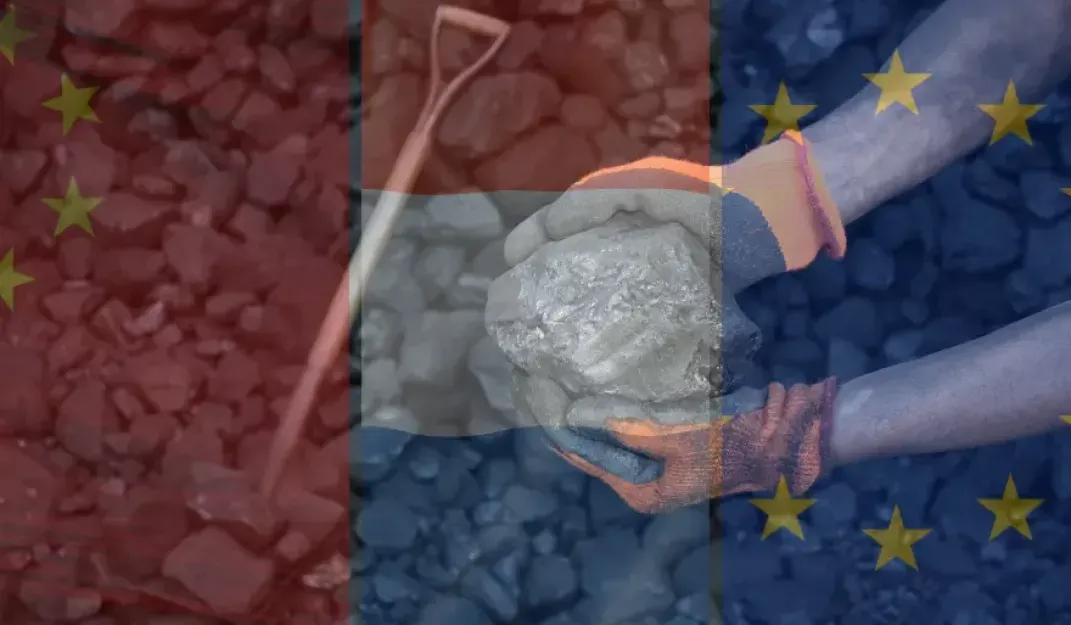
china-eu flag
Disclaimer: This two-pager has been prepared by the CKN Secretariat and should not be considered the work of the individuals listed as authors of the report.
Key Takeaways:
- The EU and China have competing economic, technological, and sustainability goals, leading to increasing tensions over access to critical raw materials (CRMs). The EU is more dependent on imports, while China holds a structural advantage through resource control and supply chains.
- Standard setting has evolved from a technical process into a strategic geopolitical tool, enabling countries to create dependency and “lock-in” advantages. China leverages its position in technology and resources to shape standards in its favor.
- Through long-term strategies like Standards 2035, China aims to become a global standard setter, supported by strong state coordination and influence in international organizations. Its quasi-monopoly in key sectors allows Chinese standards to spread internationally.
- While Chinese influence in organizations like ISO, IEC, and ITU is significant, the EU still maintains strong representation. However, influencing standards in emerging technologies and climate-related sectors is crucial for maintaining competitiveness.
- The Netherlands should treat standardization as a strategic issue, develop a national strategy, and strengthen EU cooperation to counterbalance Chinese influence. Promoting European standards and coordination is key to protecting long-term economic and regulatory interests.
Document
READ THE TWO-PAGER HERE
(102.97 KB)

China Knowledge Network
The Dutch China Knowledge Network (CKN) is a network established to involve China experts and disseminate knowledge within the government of the Netherlands and beyond.Our key task is to connect various angles of research and events to better understand China’s motives, policies and vision to develop more effective policies and better advise social partners. The secretariat of the knowledge network has been assigned to think tank Clingendael together with LeidenAsiaCentre. They will function primarily as ‘knowledge brokers’, matching the supply and demand of knowledge.
Related projects
98
Related Events
82