
Two-Pagers
Disclaimer: These two-pagers have been prepared by the CKN Secretariat and should not be considered the work of the individuals listed as authors of the report. The two-pagers below function as a summary of the in-depth report, its key takeaways and policy recommendations. For all CKN-reports, containing elaborate analysis and referencing, please visit the CKN Publications Library.
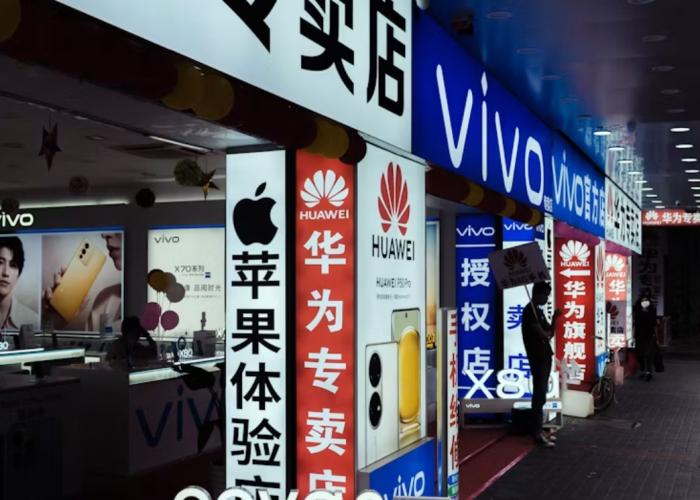
#51 Public Vales of Chinese Digital Technologies and their Impacts on Europe
- Chinese digital technologies are increasingly ubiquitous in Europe and come with consequences, but their values and governance models remain poorly understood in comparison with their US counterparts.
- China and the EU differ fundamentally on the relationship between digital technology, the state, and individual rights, but these differences should not obscure important areas of value convergence.

#50 China and Trade in Critical Raw Materials (CRMs): Understanding the means of exchange, control, and power amid heightened geopolitical tension
- Critical Raw Materials (CRMs) are now a lever of geopolitical power — and a matter of sovereignty for Europe.
- Ultimately, the price of inaction far outweighs the cost of ensuring resilient CRM supply chains.

#49 China’s Foreign-related Rule of Law: Significance, Development, and Prospects
- China aims to reform the international system with FRROL so that Chinese-style global governance and ‘the international rule of law’ bolster each other.
- The final goal is to enable Chinese firms to operate globally on Chinese terms, eventually creating a ‘legal security chain’ for China’s sovereignty, security and development.

#48 Beyond Borders: Chinese Use of Foreign Interference Tactics in Dutch Strategic Industries
Key Takeaways:
- Chinese foreign interference in Dutch strategic industries is systemic, long-term, and cumulative, eroding technological leadership, economic independence, and strategic autonomy rather than operating as isolated incidents.
- Beijing aims to acquire foreign technology, influence supply chains and gain strategic leverage over foreign policy.
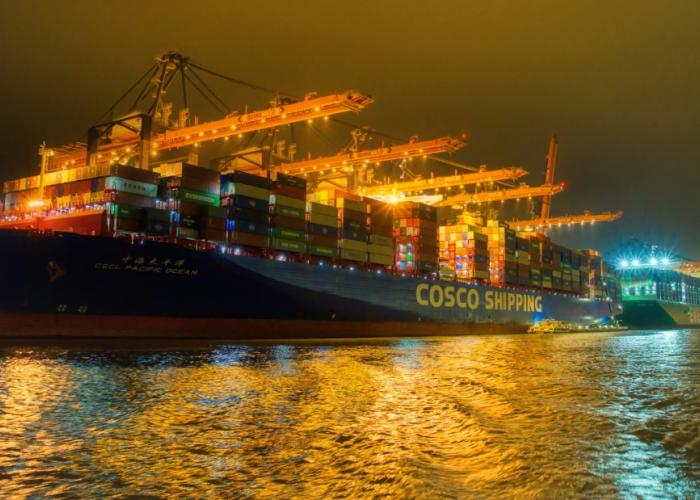
#47 Chinese Investment in EU-Seaports
Key Takeaways:
- Chinese foreign direct investment in EU seaports has become a topic of heated debate.
- No clear tipping point for diminishing impact of Chinese investment on port competitiveness could be identified, except for the port of Piraeus.
- When it comes to national security interests and Chinese investments, the risks outweigh the benefits.
#46 Understanding China’s Export Controls
Key Takeaways:
- Export controls have shifted from niche non-proliferation tools to instruments of economic statecraft and great power competition.
- China has evolved from primarily a target of U.S. export controls to an increasingly assertive user of them.
- The 2020 Export Control Law marks a turning point, enabling China to integrate national security, economic coercion, and industrial policy.

#45 China’s Drive for Food Sovereignty: Navigating Opportunities and Risks in Sino-Dutch Agrifood Collaboration
Key Takeaways:
- China is prioritizing food security as a strategic issue.
- Agriculture is shifting toward sustainability and smarter management.
- Demand is growing for knowledge-driven, long-term partnerships in the agrifood sector.
- Real opportunities exist—but so do geopolitical and policy risks.
- Collaboration works best when solutions are locally adapted.
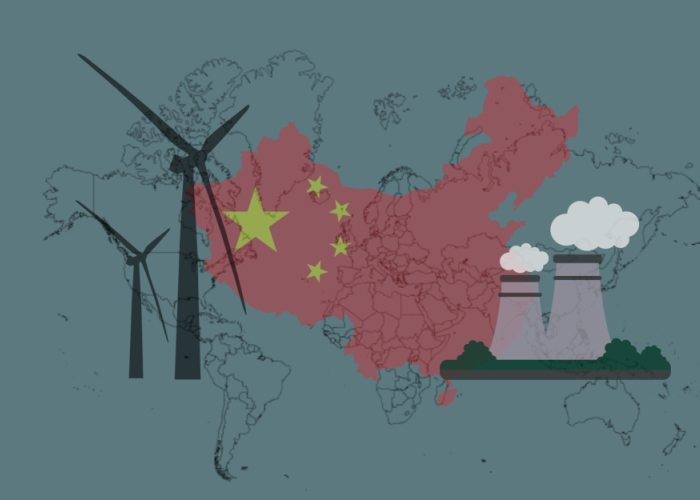
#44 A Matter of Principle: China’s Developing Country Status in International Climate Negotiations
Key Takeaways:
- Developing country status is a matter of principle for China. It reflects identity and positioning, not just access to benefits.
- European frustration is increasing, but cooperation is still essential. Climate change remains a key area for both sides to work together.
- The EU should focus on pragmatic ways to manage the disagreement rather than resolve it outright.
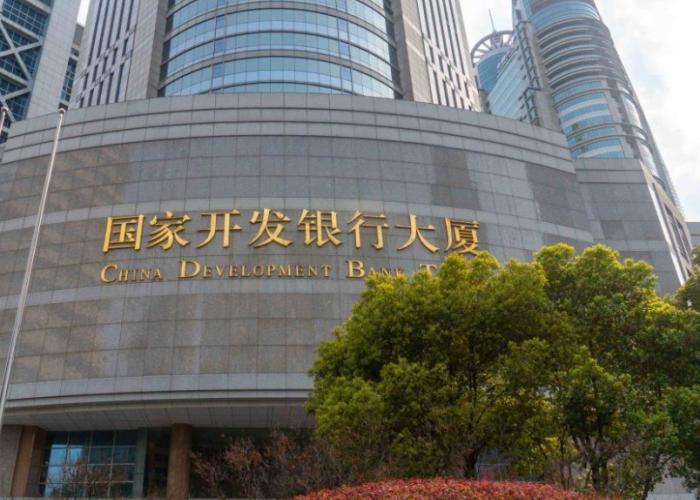
#43 Chinese Development Finance in a Shifting Global Order
Key Takeaways:
- CDF is framed as a BRI-extension and South-South cooperation tool.
- Governance is fragmented despite strong top-level coordination.
- Overseas the focus is on commercial, infrastructure-heavy, debt-based projects.
- CDF is in a post-peak phase, shifting towards green, digital and PPP models.
- Outcomes depend heavily on borrower capacity and institutions.

#42 Sustainable Built Environment Cooperation Between the Netherlands and China
Key Takeaways:
- China’s built environment is central to the global green transition. Its scale and rapid policy-driven transformation make it a critical arena for sustainable construction innovation.
- Opportunities for Dutch cooperation are strong but complex. Dutch expertise aligns well with China’s needs, but success depends on understanding local systems and regulations

#41 Chinese Civil Society in the Netherlands and Europe
Key Takeaways:
- CCSOs form dense interpersonal and transnational networks through multi role participation, shared activities, and digital platforms.
- CCSOs contribute to social integration, civic education, and the well-being of Chinese migrants.
- Key barriers include limited access to funding, high turnover, political risks, difficulty navigating European institutional systems, and a shrinking civic space in increasingly nationalist host societies.
#40 Quest for strategic autonomy? Europe grapples with the US-China rivalry
Key Takeaways:
- Europe is not equidistant between the US and China, but trust in Washington has declined while caution toward Beijing has deepened.
- Economic security has become a major European priority, but national approaches remain fragmented and uneven.
#39 Standardisation with Chinese Characteristics?
Key Takeaways:
- Europe must see standardization not as a niche technical field, but as a key site of geopolitical contestation and opportunity.
- Europe has historically occupied a central position in international standardization.
- China has aligned industrial champions, state institutions and global diplomacy behind a shared objective: embedding Chinese standards in the global economy of tomorrow.
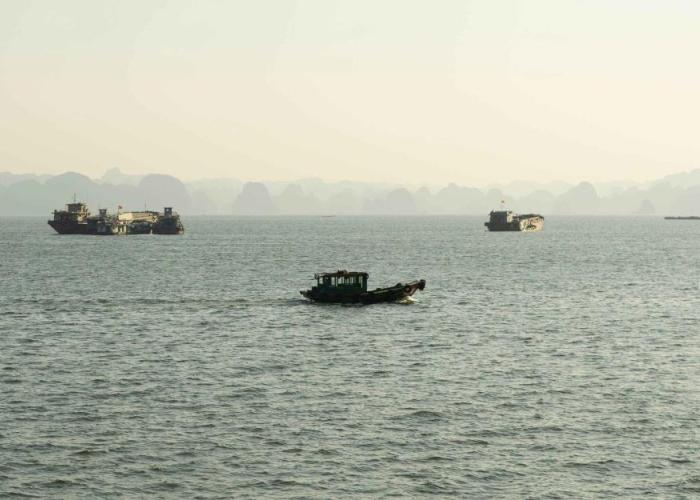
#38 The International Law of the Sea and the South China Sea Disputes
Key Takeaways:
- UNCLOS fundamentally reshaped the South China Sea by extending coastal State rights through the EEZ and continental shelf regimes.
- China’s nine-dash line and claims to historic rights remain highly contested and are widely viewed as incompatible with UNCLOS.
- The 2016 South China Sea Arbitration clarified that historic rights claims beyond UNCLOS are invalid and that disputed Spratly features do not generate EEZs or continental shelves.
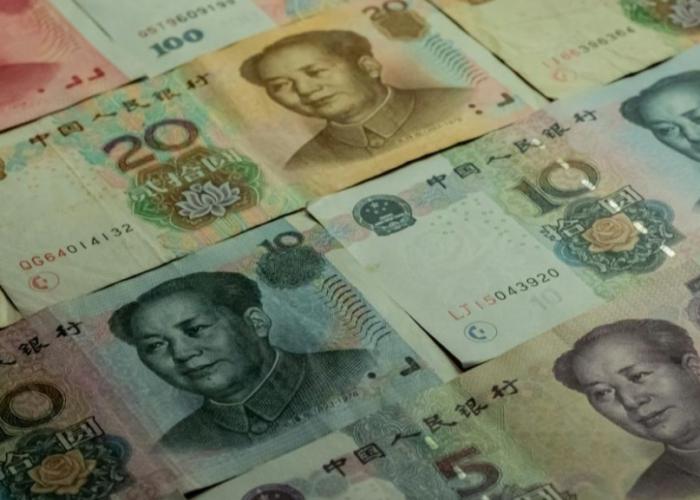
#37 Internationalization of the RMB: Status, Options and Risks
Key Takeaways:
- The internationalization of the Renminbi (RMB) is a long-term project that has evolved gradually through a series of policy initiatives, infrastructure developments and external shocks.
- The international use of the RMB has seen only modest progress in the past 15 years, but China has substantially expanded the institutional infrastructure that underpins this internationalization.
- China’s authorities are at a crossroad with the internationalization of the RMB.
#36 Evaluating Data Security in Chinese Drones and Smart Vehicles
Key Takeaways:
- China increasingly treats data as both a strategic economic resource and a national security issue through an evolving system of data governance laws and regulations.
- The PIPL creates limited risks for European users abroad, while the Data Security Law remains more ambiguous regarding possible government access to data.
- Chinese smart vehicles and drones generally comply with international and EU cybersecurity standards and incorporate many privacy-protecting features.
- Independent audits of Chinese EVs and drones have identified ordinary engineering and cybersecurity vulnerabilities rather than evidence of systematic espionage backdoors.
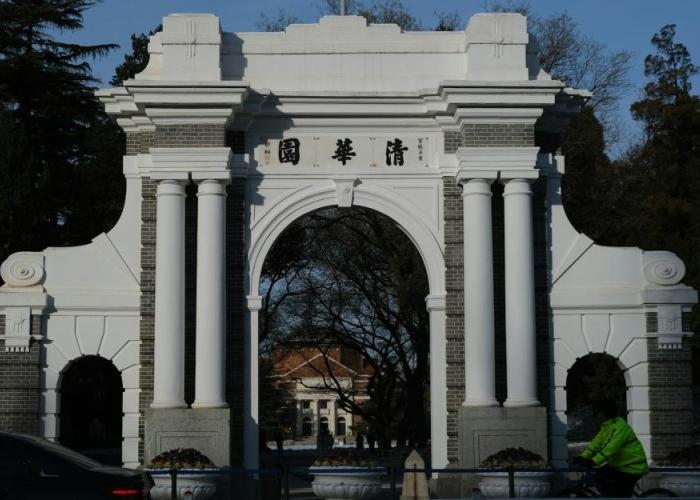
#35 Changing Perspectives Towards Conditions for Sustainable EU-China Academic Collaboration
Key Takeaways:
- Uncertainties due to geopolitical tensions are affecting student and researcher mobility.
- Chinese universities exhibit diversified perceptions and attitudes toward evolving global and domestic conditions for collaboration with EU partners.
- The comparative analysis of EU countries reveals that policy approaches toward academic engagement with China vary widely across Member States.
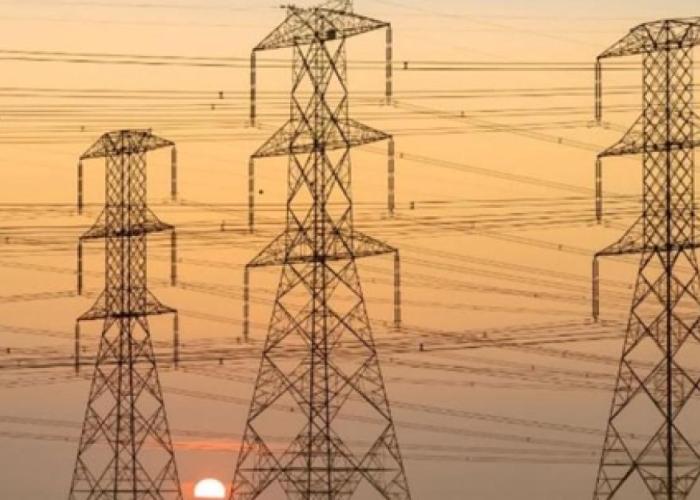
#34 Dynamics of De-Risking: Towards resilient supply chains for antibiotics, drones and the electricity grid in the Netherlands
Key Takeaways:
- The EU and its member states face increasing risks from economic dependencies on China in vital sectors such as health, defence and energy.
- De-risking should reduce vulnerability in areas of vital importance without disrupting global markets through heavy state intervention.
- Dependencies differ by sector: antibiotics are mostly vulnerable upstream, drones across the entire supply chain, and electricity grids mainly at raw and processed materials level.
- The likelihood of geopolitically motivated disruptions is rising, making supply chain resilience an urgent Dutch and European policy priority.
#33 Chinese influence and interference in the Dutch media landscape
Key Takeaways:
- China is targeting by attrition, both within its borders and in the Netherlands, critical voices about China, to diminish the activity of critical voices, causing them to be drowned out or give up entirely.
- China is one of the most sophisticated actors in transnational repression worldwide. This also manifests itself in the Netherlands, especially among human rights activists, non-Han Chinese diaspora and Chinese students.
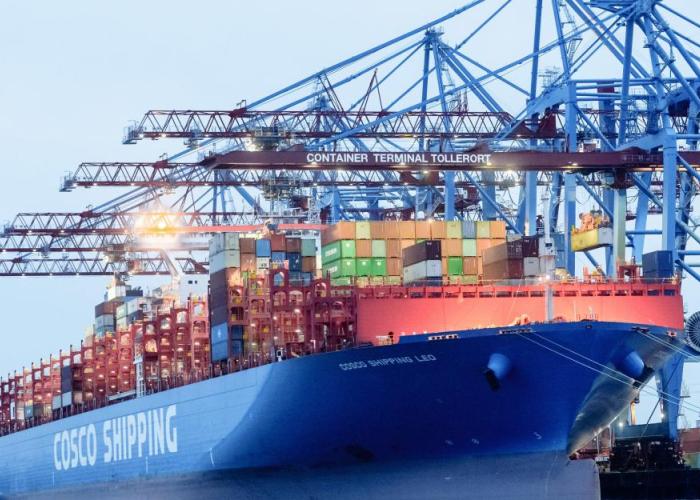
#32 Port politics: Strategic autonomy and European ports
Key Takeaways:
- Foreign involvement in European seaports and related logistics, especially where China is concerned, has gained greater significance and affects the EU’s strategic autonomy.
- A lack of EU cooperation concerning foreign involvement negatively impacts strategic autonomy and limits the EU’s control over future scenarios.
- The proposed strategic framework is country-agnostic and aims to minimise risks from countries like China while maximising the economic benefits of foreign involvement.
- Risks to strategic autonomy are assessed as highest in port and maritime infrastructures and in the software domain, especially regarding data disruption.
#31 Reverse Dependency: Making Europe's Digital Technological Strengths Indispensible to China
Key Takeaways:
- European policies focus on reducing critical over-dependencies on China. This de-risking is a necessary process of adaptation to the new geopolitical realities.
- Technological superiority, as well as commercial, political and regulatory aspects, are all decisive factors in European technological indispensability.
- Balance strategic entanglement and autonomy as two elements of achieving European security.
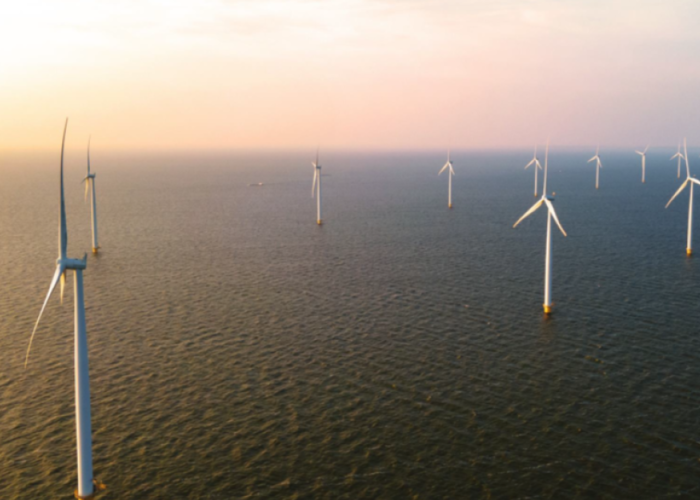
#30 The EU's China challenge: Rethinking offshore wind and electrolysis strategy
Key Takeaways:
- China has become a world leader in offshore wind and alkaline water electrolyser technology, supported by market size, national policy and control over key parts of strategic value chains.
- The EU’s main offshore wind dependence on China currently lies in permanent magnets and rare earth mining, refining and processing, but future dependence may broaden as Chinese firms expand globally.
- European offshore wind and electrolyser producers remain competitive in some areas, but face financial pressure, high costs and an uneven playing field with Chinese manufacturers.
- Europe faces a strategic trade-off between limiting Chinese involvement to protect energy and national security, and using Chinese capacity to reduce costs and accelerate the energy transition.

#29 Dutch collaboration with PhD students sponsored by the China Scholarship Council
Key Takeaways:
- Collaborations with the China Scholarship Council (CSC) have come under scrutiny in the Netherlands and beyond due to various knowledge security concerns.
- There were approximately 2,197 CSC PhD students in the Netherlands in 2023. Close to half of this number performs research in fields that are of strategic importance both to China and the Netherlands.
- Dependencies of Dutch knowledge institutions on CSC PhD students in strategic areas of research are limited.
#28 Dealing with Decoupling from China
Key Takeaways:
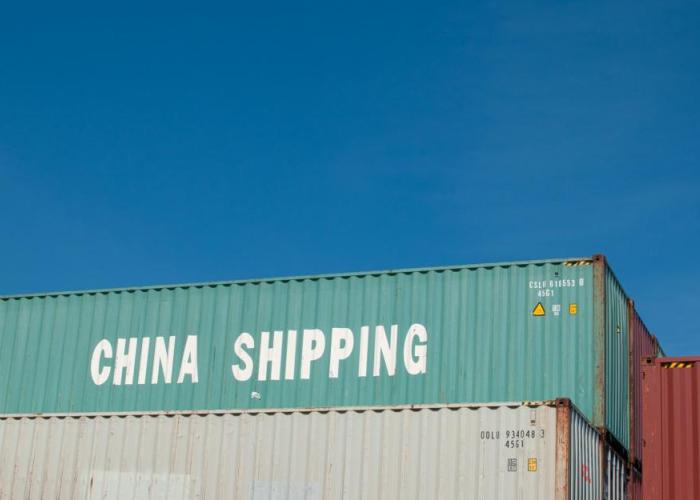
- Geopolitical tensions, especially the US–China rivalry and Russia’s invasion of Ukraine, have heightened awareness of dependency risks, prompting firms to reassess exposure to China and explore mitigation strategies.
- Despite politicization and rising risks, China remains central to the global economy, with a strong manufacturing base, growing innovation capacity, and increasing self-reliance in critical technologies.
- Evidence of partial decoupling is emerging: declining FDI inflows, shifting trade patterns (notably via ASEAN), and increased diversification of supply chains toward countries like India, Vietnam, and Indonesia.
#27 The Chinese Police Organisation at Home and Abroad
Key Takeaways:
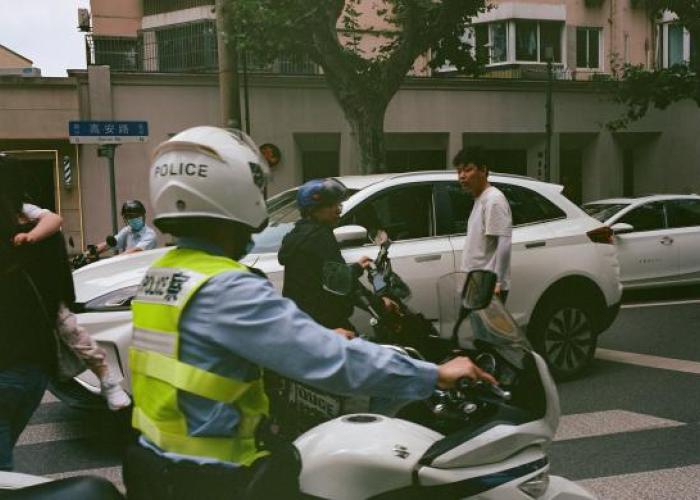
- The Ministry of Public Security is a powerful and highly diversified organization with a wide range of interests and activities.
- Stability maintenance remains a chief priority of Chinese police in addition to other areas of crime fighting and counterterrorism efforts.
- Under President Xi Jinping, the frequency and types of overseas police involvement have grown. Police engagement is particularly active in INTERPOL and SCO
#26 Undercurrents: essays below the surface of China's geopolitics
Key Takeaways:
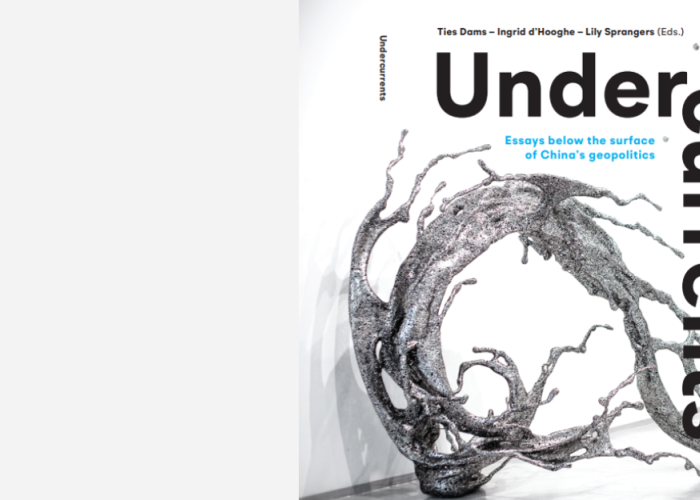
- The text introduces “undercurrents” as hidden beliefs, emotions, and dynamics shaping China–US relations and broader geopolitics, often beyond what is visible in policy or rhetoric.
- A central “paradox of understanding” emerges: as geopolitical tensions rise, the need for insight increases, yet channels for obtaining that understanding shrink.
- The essays highlight four major undercurrents: irony (mutual mimicry between China and the US), history (the weight of narratives shaping policy), psychology (emotions and identity in geopolitics), and Europe’s self-conception.

#25 China's Global Health Diplomacy: Possibilities and Limitations for Cooperation
Key Takeaways:
- China is an indispensable actor in global health.
- China’s health diplomacy advances broader foreign policy objectives, including improving China’s global image, reinforcing bilateral relations, and creating new economic and geopolitical opportunities.
- The Netherlands should actively explore cooperation with China through a European coordinated step-by-step approach, starting with low-risk projects in global health.

#23 De mate van Chinese staatsinvloed bij Chinese overnames van Nederlandse bedrijven
Belangrijkste Bevindingen:
- Van alle Chinese overnames van Nederlandse bedrijven is bij ongeveer 23% sprake van significante staatsinvloed (hoog of medium), terwijl de meerderheid (77%) een lage mate van staatsinvloed kent.
- De staatsinvloed ontstaat vooral via eigendomsstructuren: in het merendeel van de gevallen is een staatsbedrijf betrokken als aandeelhouder, vaak als minderheids- of meerderheidsaandeelhouder, en daarnaast spelen ook staatsinvesteringsfondsen en directe staatsbedrijven een rol.

#22 The Legal Protection of International Organisations’ Data
Key Takeaways:
- Data of Europeans transferred to the United Nations may be stored in China or handled by Chinese cloud providers, raising questions about compliance with Dutch/EU privacy and cybersecurity requirements.
- Due to the privileges and immunities of the UN, neither European nor Chinese law applies directly to UN data; such data qualifies as “property and assets” enjoying immunity and inviolability, regardless of location.
- While the UN has its own internal data protection rules inspired by GDPR and similar frameworks, the level of protection does not appear equivalent to the European standard, and remains relatively vague in interpretation.
#20 Navigating an uncertain future
Key Takeaways:
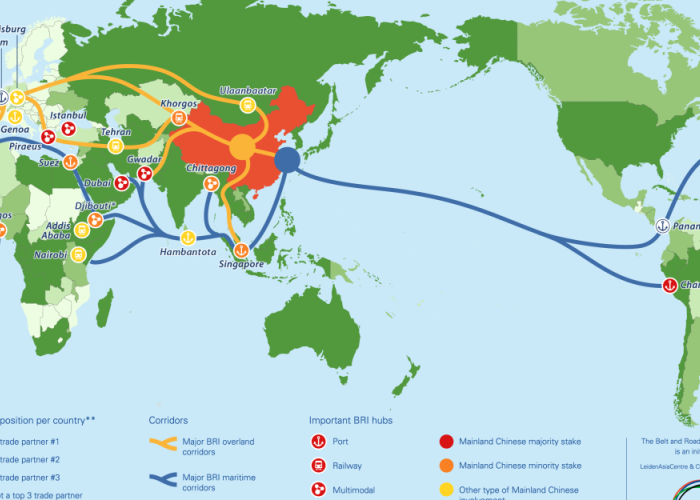
- The Netherlands’ role as a maritime logistics hub (“Gateway to Europe”) is strategically important but increasingly uncertain, with China’s influence expected to play a major role in shaping its future.
- Four scenarios highlight diverging futures based on globalisation vs. deglobalisation and China’s role in European logistics, ranging from strong Chinese dominance (“Belt and Road Rules”) to limited Chinese influence (“Own Region First”).
- In scenarios with strong Chinese involvement, strategic dependence, politicisation of logistics, and reduced Dutch autonomy increase, while cooperation brings economic benefits but also significant dilemmas.

#19 The Power of Narrative: An Analysis of Research Commissioned by the Dutch China Knowledge Network
Key Takeaways:
- A European global narrative should be tailored to local contexts, addressing grievances and aspirations rather than relying on universal, one-size-fits-all messaging.
- CKN research shows a dual reality: China creates strategic risks for Europe (dependency, technology transfer, influence over standards) but also provides opportunities in trade, investment, and cooperation.
- Europe’s key challenge is to build strategic autonomy while balancing risks and benefits, combining protection of its values with more effective and adaptive global communication.

#18 Video Explainer: Hoger Onderwijs in China
Belangrijkste bevindingen:
Chinese universiteiten en kennisinstellingen zijn belangrijke partners voor Nederlandse universiteiten en hogescholen. Die samenwerking met China levert in veel gevallen een relevante bijdrage aan het wetenschappelijk onderzoek en hoger onderwijs in Nederland. Tegelijkertijd zijn er ook problemen met inbreuk op de academische vrijheid of ongewenste kennisoverdracht.
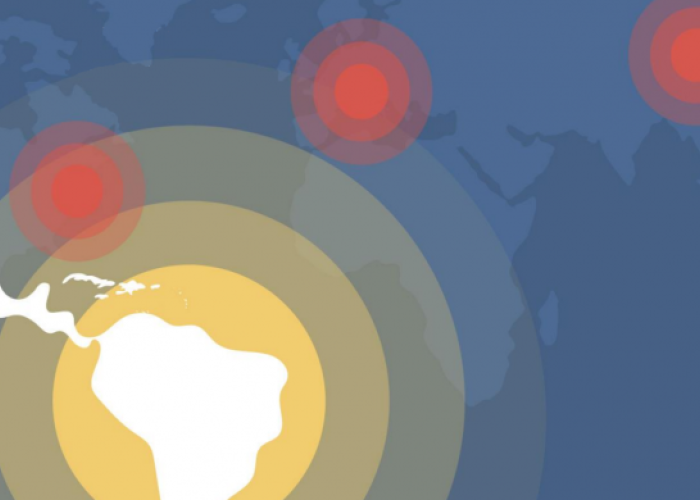
#17 China's engagement with Latin America and the Caribbean: Geopolitical challenges and the role of the EU
Key Takeaways:
- Latin America and the Caribbean are navigating intensifying geopolitical competition between China, the US, and the EU, while actively seeking to preserve autonomy and avoid dependency on any single power.
- The EU has an opportunity to strengthen its role in LAC through a values-based approach focused on democracy, human rights, labour standards, transparency, and environmental protection, offering an alternative to great-power rivalry dynamics.
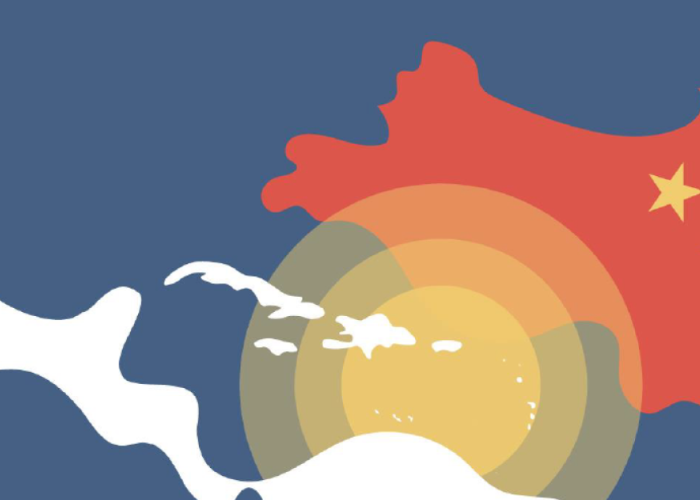
#16 China’s economic and political role in the Caribbean and Central America
Key Takeaways:
- China’s growing presence in the Caribbean Basin provides alternative sources of loans and investment, allowing countries to counter-balance traditional US and European hegemony, though the US and EU remain dominant trading partners.
- The One China policy is a key driver of engagement, with several countries switching recognition from Taiwan, strengthening China’s geopolitical clout.
- Chinese investments, primarily in infrastructure (airports, government buildings, hotels), have generally supported development without clear evidence of “debt traps,” but are often characterized by low transparency and strict contractual safeguards.
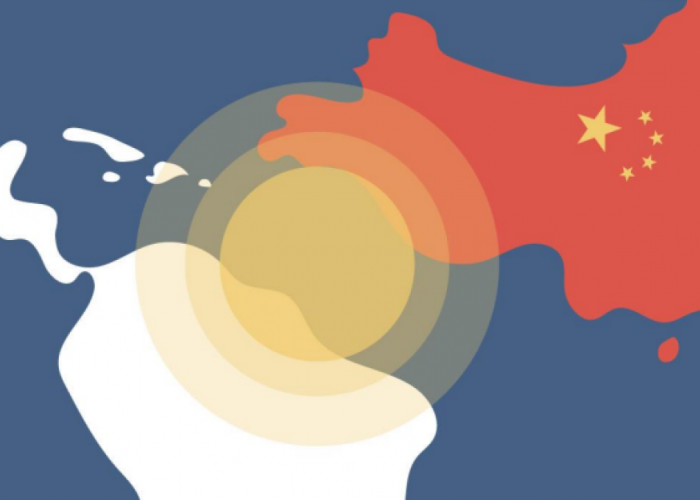
#15 China’s economic and political role in Latin America
Key Takeaways:
- Economic goals are the central driving force of China’s engagement in the LAC region, with interests expanding from mining and oil to infrastructure, energy transition, telecommunications and digital technologies.
- China has become a major economic partner for the LAC region alongside the US and Europe.
- Political and economic elites in the LAC region appreciate the lack of political conditionalities in relations with China.
#14 Chinese Influence and Networks among Firms and Business Elites in the Netherlands
Key Takeaways:
- Europe, including the Netherlands, is one of many arenas in which Chinese firms, state-owned and private, pursue global competition and long-term expansion, rather than seeking to “buy up” the European economy.
- Chinese companies are increasingly transnational, hybridized, and financialized; state-ownership patterns are complex and require analysis beyond formal ownership structures.
- In the Netherlands, Chinese-invested firms show mixed ownership structures, strong reliance on local expertise, and limited evidence of political influence or CCP interference in day-to-day operations.
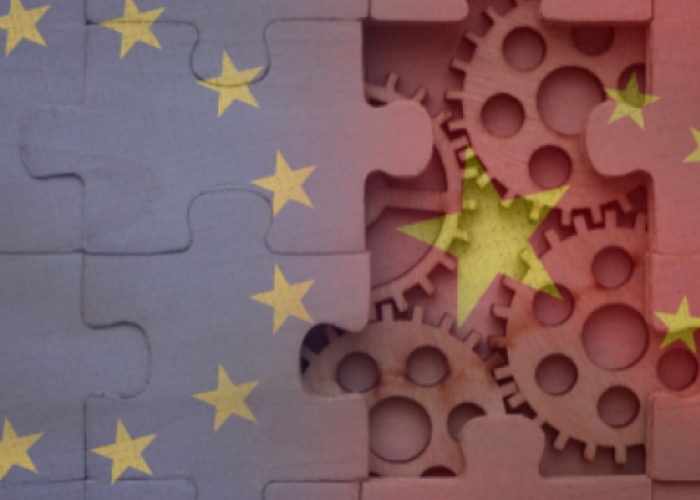
#13 Dependence in Europe's Relations with China
Key Takeaways:
- For the eighth report since its inception in 2014, the European Think-tank Network on China (ETNC) brings together analysis on 18 countries plus the European Union to examine how dependencies on China are presented in European public and policy-level debates, and how the notion shapes policymaking in each case.
- The chapters that follow provide substance, and in some cases nuance, to these discussions, contributing a much-needed, “bottom-up” perspective on an intensifying European debate.
#10 Technologische samenwerking met China
Belangrijkste Bevindingen:
- Nederland zoekt een balans tussen profiteren van samenwerking en het beperken van veiligheidsrisico's.
- De sterke invloed van de Chinese overheid vergroot de kans op ongewenste beïnvloeding en kennisoverdracht.
- Toegang tot de Chinese markt en talent is essentieel voor het Nederlandse innovatievermogen.
- Sommige risico's, zoals strategische afhankelijkheid, zijn inherent aan het Chinese systeem en niet volledig te vermijden.
- Het beleid moet concreter worden door scherpere politieke keuzes te maken over wat we precies beschermen.

#9 COVID-19 and Europe-China relations
Key Takeaways:
- The Covid-19 crisis has hit at a time when debates over the need to adopt more coherent strategies towards China have been emerging across Europe.
- In many ways, the current crisis has become a catalyst for a number of trends. It has simultaneously brought Europe and China into closer cooperation, pushed them further apart, and seemingly underlined the fractures that exist within Europe on how to approach an increasingly influential China.
#8 China’s Soft Power in Europe
Key Takeaways:
- Chinese soft power is declining across Europe despite it remaining a top priority for Beijing.
- China utilizes cultural programs, media, and economic ties as its primary tools for influence.
- Economic relations are increasingly viewed as coercive tools, blurring the line between attraction and pressure.
- European perceptions of China are becoming significantly more negative and cautious across the board.
- Beijing is shifting away from trying to be "liked" toward aggressively managing narratives and silencing criticism.
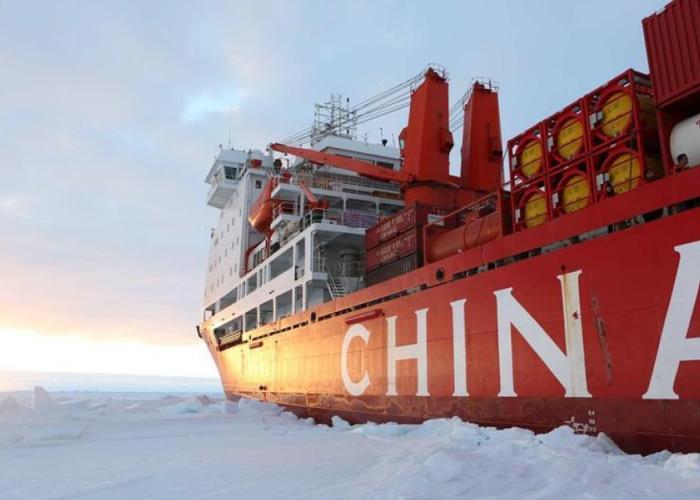
#7 China’s arctic strategy in Iceland and Greenland
Key Takeaways:
- China’s Arctic strategy, in particular as it materialises in Iceland and Greenland, leads us to conclude that China’s growing presence in the Arctic is not a direct threat to European countries but rather a long-term strategic issue of great importance, but not great urgency.
- Europe's challenge will be to re-engage with Iceland and Greenland, and China's presence there, in a similar multi-layered way, coordinating short-, medium- and long-term strategies.
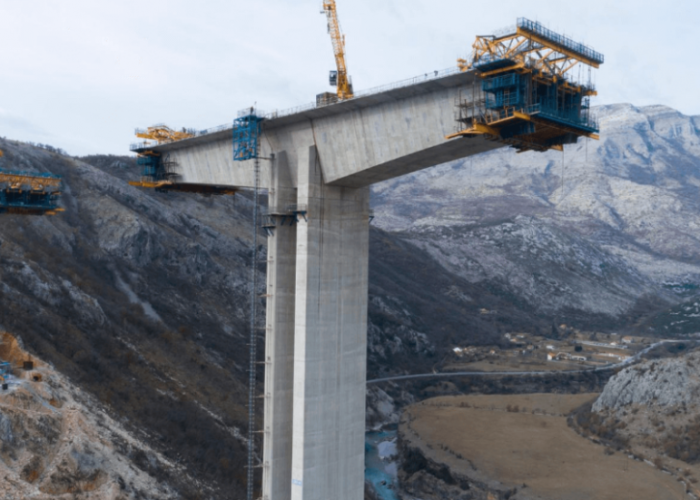
#6 China and the EU in the Western Balkans
Key Takeaways:
- China engages the Western Balkans mainly through infrastructure financing and investment tied to the Belt and Road Initiative.
- It prioritizes bilateral ties, with Serbia as its main partner and weaker links elsewhere.
- Countries welcome China’s funding, though investments are limited and often focus on existing assets.
- China’s presence can undermine EU reforms by offering alternative standards and fewer conditions.
- The EU should manage China’s role by aligning it with EU rules through accession leverage.
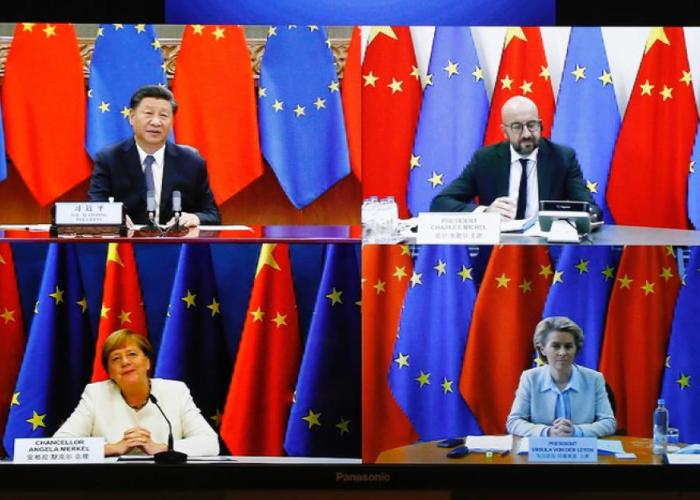
#5 China’s role in Digital Standards for Emerging Technologies
Key Takeaways:
- The growing presence of Chinese businesses and governmental actors in international technical standardisation processes is attracting growing attention, and in some cases concern, from Western observers.
- Standards have become an important issue in the emerging global confrontation over digital technology, driven to a significant degree by China’s stated aspirations in this field.
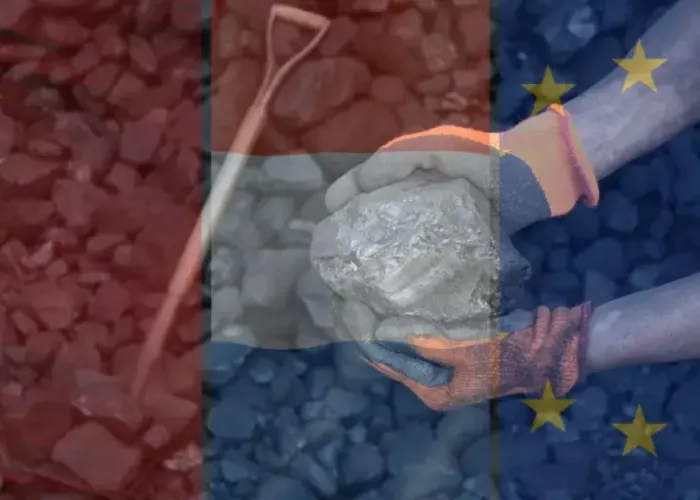
#4 Standards for Critical Raw Materials
Key Takeaways:
- The EU and China compete over resources and technology, with China holding a structural advantage.
- Standards have become a geopolitical tool to create dependency and influence.
- China aims to shape global standards through strategies like Standards 2035.
- The EU remains influential but must focus on emerging tech and climate sectors.
- The Netherlands should treat standardization strategically and strengthen EU cooperation.

#3 Will the European hero please stand up?
Key Takeaways:
- European leaders should embrace the language of particularism, letting go of universalist value narratives.
- The European Way of Life is a potentially powerful but underused narrative, through which European leaders can more forcefully explain the existential worth of human rights, democracy and rule of law to Europe.
- The costs of strategic autonomy ought to be explained as the collective sacrifices needed to protect European values.

#2 China’s Invloed en de Chinese Gemeenschap in Nederland
Belangrijkste bevindingen:
- Invloed van China in Nederland is beperkt, maar groeiend en vraagt om alertheid.
- China zet overzeese gemeenschappen strategisch in voor nationale belangen.
- Binnen de Chinese gemeenschap is weinig ruimte voor kritische geluiden.
- Sommige groepen ervaren druk of intimidatie vanuit China.
- Balans nodig tussen waakzaamheid en bescherming van vrijheden.
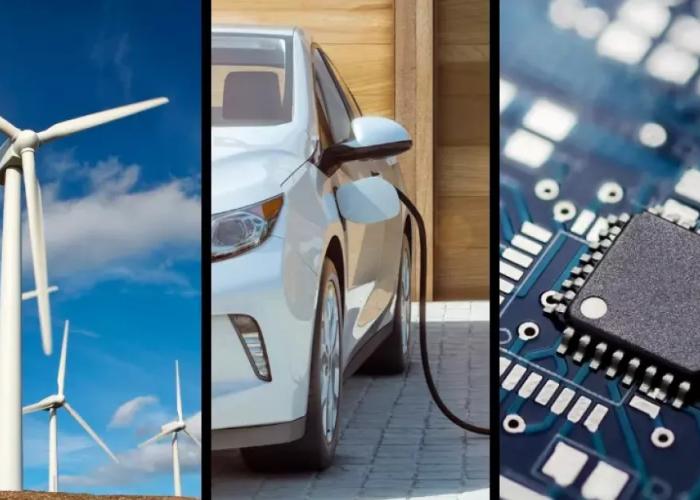
#1 Securing Critical Materials for Critical Sectors
Key Takeaways:
- The energy-, transport- and digital technologies-sectors, and more specifically, wind turbines, photovoltaic solar power, geothermal, energy grid infrastructure, carbon capture & storage, electric vehicles and semiconductors, are all highly dependent on China, not only in terms of technology, but also in terms of components and raw materials.
- In the Netherlands and other Western countries, the industry has been securing critical supplies independently from governments, whereas China’s long-term strategy deeply involves the government in industrial extraction and production of raw materials.