Two-Pager: China and Trade in Critical Raw Materials (CRMs): Understanding the means of exchange, control, and power amid heightened geopolitical tension

China Knowledge Network
Document
READ THE TWO-PAGER HERE
(92.29 KB)
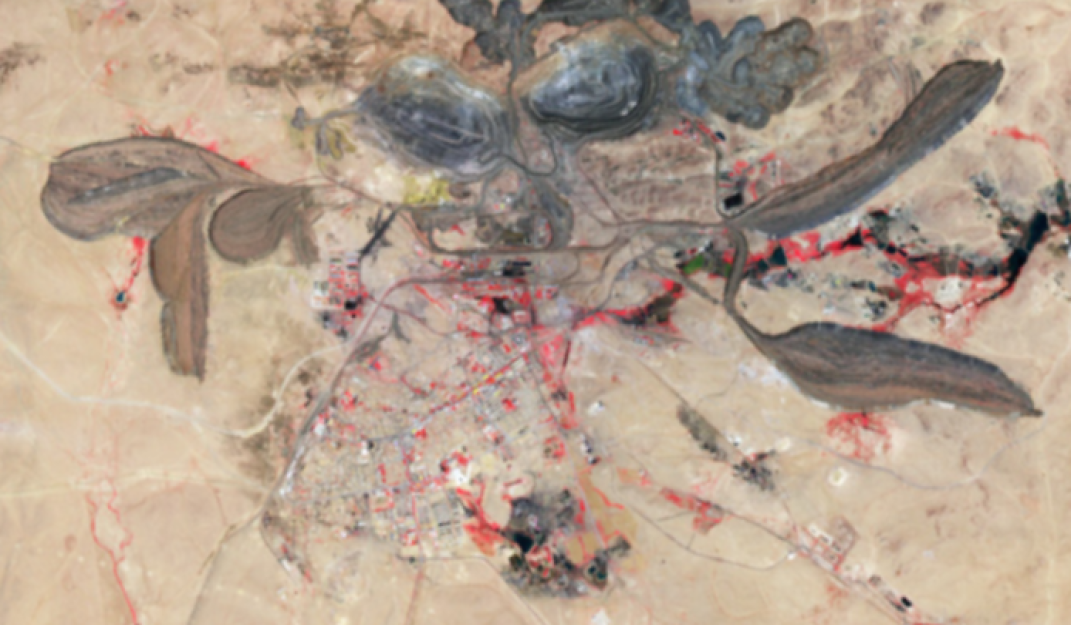
mine
Disclaimer: This two-pager has been prepared by the CKN Secretariat and should not be considered the work of the individuals listed as authors of the report.
Key Takeaways
- Critical Raw Materials (CRMs) are now a lever of geopolitical power — and a matter of sovereignty for Europe.
- China's dominance of production and processing, once about resource security, is now just as much about industrial strategy and geopolitical leverage. Beijing is increasingly looking to capitalize on and entrench its advantage.
- Diversification for Europe is key, but CRM markets are fundamentally different from classical commodity markets, vastly complicating the effort.
- Strong public-sector engagement is fundamental, but while the state must lead, it cannot succeed alone. Engagement and close coordination with the private sector is essential, as demonstrated in the case of Japan.
- Ultimately, the price of inaction far outweighs the cost of ensuring resilient CRM supply chains.
- The Netherlands, as a logistics, warehousing and trading hub, has an outsized role to play in bolstering European resilience, even without significant domestic mineral deposits or processing capacity of its own.
Document
READ THE TWO-PAGER HERE
(92.29 KB)

China Knowledge Network
The Dutch China Knowledge Network (CKN) is a network established to involve China experts and disseminate knowledge within the government of the Netherlands and beyond.Our key task is to connect various angles of research and events to better understand China’s motives, policies and vision to develop more effective policies and better advise social partners. The secretariat of the knowledge network has been assigned to think tank Clingendael together with LeidenAsiaCentre. They will function primarily as ‘knowledge brokers’, matching the supply and demand of knowledge.
Related projects
98
Related Events
82