Two-Pager: Beyond Borders: Chinese Use of Foreign Interference Tactics in Dutch Strategic Industries

China Knowledge Network
Document
READ THE TWO-PAGER HERE
(91.44 KB)
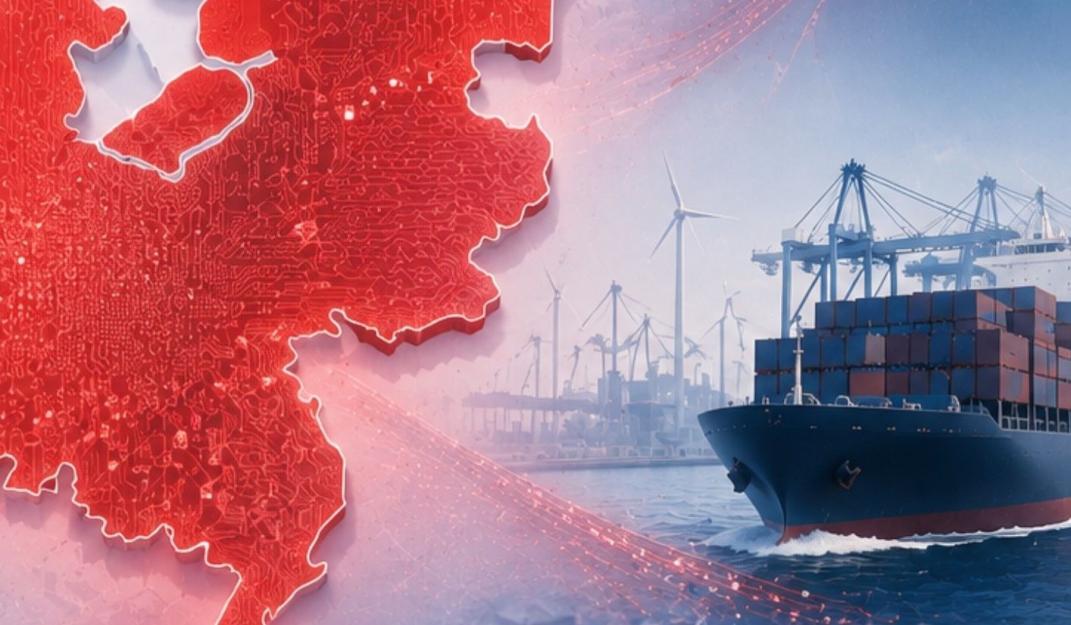
Beyond Borders Cover
Disclaimer: This two-pager has been prepared by the CKN Secretariat and should not be considered the work of the individuals listed as authors of the report.
Key Takeaways
- Chinese foreign interference in Dutch strategic industries is systemic, long-term, and cumulative, eroding technological leadership, economic independence, and strategic autonomy rather than operating as isolated incidents.
- Beijing aims to acquire foreign technology, influence supply chains and gain strategic leverage over foreign policy.
- Interference exploits openness, digitalisation, and economic interdependence, using a coordinated toolkit of economic statecraft, cyber espionage, legal pressure, and talent-based knowledge transfer.
- In the Netherlands, the semiconductor sector faces very high risk, maritime high risk, and aerospace moderate-to-high risk of Chines foreign interference.
- The Dutch economic model, characterized by openness, global integration, public-private cooperation and international research collaboration, is at risk from exploitation by actors willing to exploit the margins of legality and transparency.
- Governance fragmentation and insufficient oversight of knowledge flows, talent mobility, and post-investment risks limit the Netherlands’ ability to detect and counter interference effectively.
- Chinese foreign interference poses long-term risks to the three pillars of Dutch national security: strategic autonomy, governance resilience, and alliance credibility.
Document
READ THE TWO-PAGER HERE
(91.44 KB)

China Knowledge Network
The Dutch China Knowledge Network (CKN) is a network established to involve China experts and disseminate knowledge within the government of the Netherlands and beyond.Our key task is to connect various angles of research and events to better understand China’s motives, policies and vision to develop more effective policies and better advise social partners. The secretariat of the knowledge network has been assigned to think tank Clingendael together with LeidenAsiaCentre. They will function primarily as ‘knowledge brokers’, matching the supply and demand of knowledge.
Related projects
98
Related Events
82