Two-Pager: Chinese Investment in EU-Seaports

China Knowledge Network
Document
READ THE TWO-PAGER HERE
(88.43 KB)
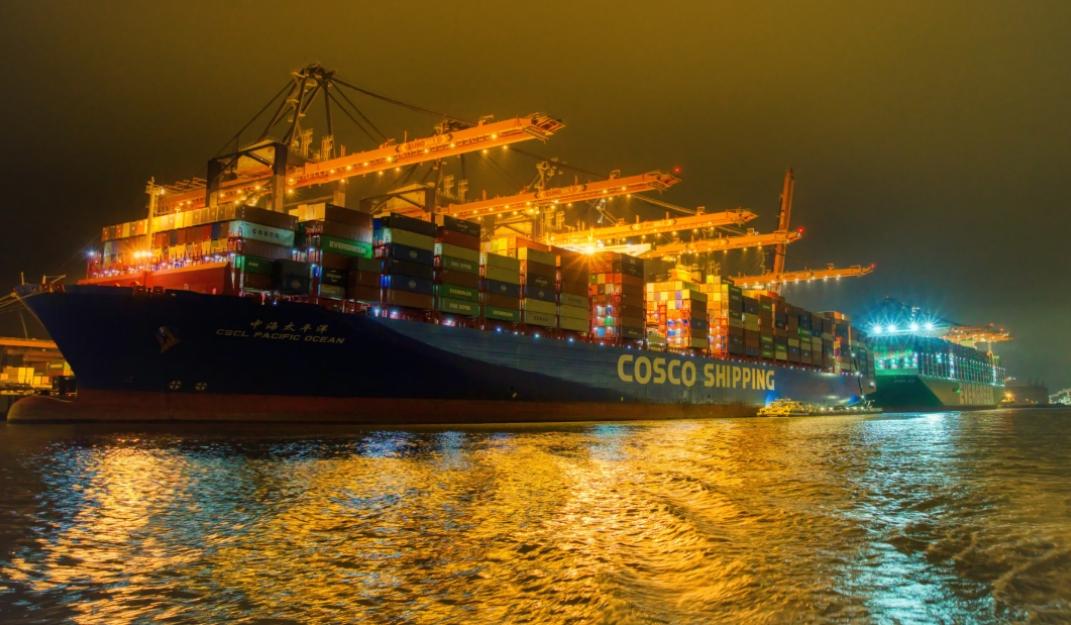
havencover
Disclaimer: This two-pager has been prepared by the CKN Secretariat and should not be considered the work of the individuals listed as authors of the report.
Key Takeaways
- Chinese foreign direct investment in EU seaports has become a topic of heated debate. The main Chinese investors in EU seaports are Hutchison Ports, Cosco Ports and CMPort.
- This report analyses the impact on economic competitiveness and national security. Case studies of the ports of Piraeus, Antwerp-Bruges, Hamburg, Rotterdam and Gdansk show that Chinese investment only leads to increased competitiveness under certain conditions. Relevant factors are the ownership structure, the degree of integration and the type of investment.
- No clear tipping point for diminishing impact of Chinese investment on port competitiveness could be identified, except for the port of Piraeus.
- When it comes to national security interests and Chinese investments, the risks outweigh the benefits. An important risk factor is not just the Chinese investment itself, but also the related US scrutiny and US-China geopolitical tensions.
- However, this does not mean that Chinese investments in European seaports should in principle be avoided or reduced.
- Port policy should not only focus on Chinese FDI, but also other non-EU sources of investment as well as other forms of foreign involvement and dependencies. Concerning China, this especially includes the use of Chinese technology and software, and the EU’s trade deficit with China.
Document
READ THE TWO-PAGER HERE
(88.43 KB)

China Knowledge Network
The Dutch China Knowledge Network (CKN) is a network established to involve China experts and disseminate knowledge within the government of the Netherlands and beyond.Our key task is to connect various angles of research and events to better understand China’s motives, policies and vision to develop more effective policies and better advise social partners. The secretariat of the knowledge network has been assigned to think tank Clingendael together with LeidenAsiaCentre. They will function primarily as ‘knowledge brokers’, matching the supply and demand of knowledge.
Related projects
97
Related Events
82