Two-Pager: China’s Soft Power in Europe

China Knowledge Network
Document
READ THE TWO-PAGER HERE
(87.15 KB)
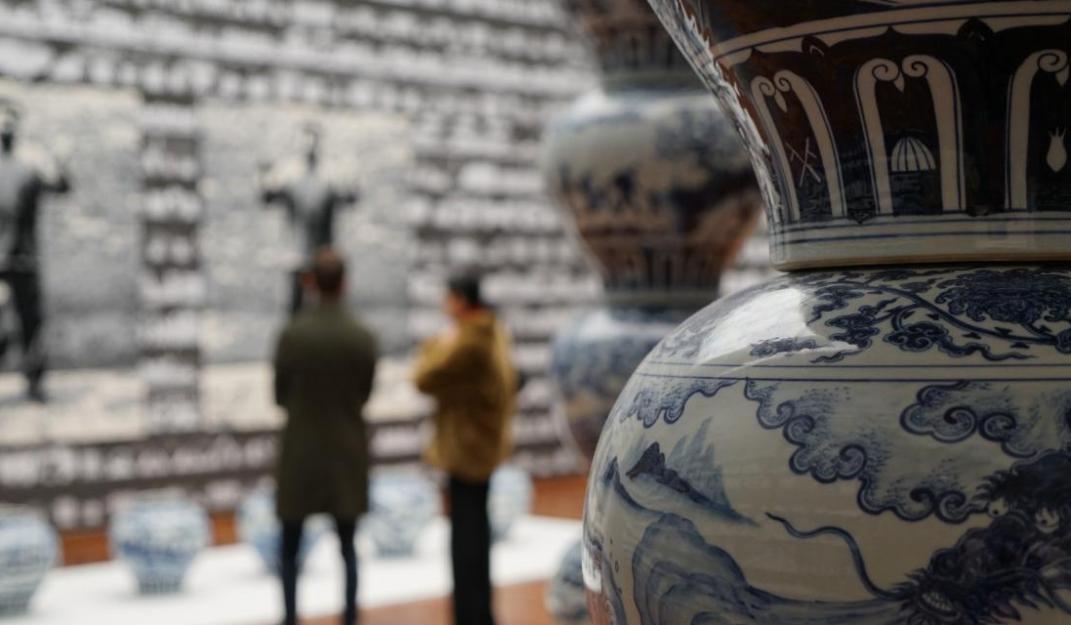
Chinese vase
Disclaimer: This two-pager has been prepared by the CKN Secretariat and should not be considered the work of the individuals listed as authors of the report.
Key Takeaways:
- Chinese soft power in Europe is weakening overall; across 17 countries and EU institutions, China’s ability to attract or persuade European publics has declined significantly, despite soft power remaining a stated priority in its foreign policy.
- China uses three main soft power tools in Europe: these include promoting language and culture, shaping its image through media, and leveraging economic influence. Increasingly, economic ties are the most powerful—but also the most controversial—component.
- Economic influence is both China’s strongest appeal and a coercive tool: market access, trade, and investment remain central to China’s attractiveness in Europe, but practices such as sanctions, export controls, and “unreliable entity lists” are increasingly seen as coercive, blurring soft power and hard power.
- European perceptions of China are increasingly negative or cautious: attitudes vary by country group: from low engagement (e.g., Austria, Hungary) to image management (Italy, Greece), to declining perceptions (e.g., Germany, UK), and outright “free fall” (e.g., France, Sweden). EU institutions show rising vigilance overall.
- China is shifting from attraction to influence management and control of narratives: In response to worsening perceptions, Beijing has become more assertive and sometimes aggressive in messaging (including social media and sanctions), suggesting a shift away from building appeal toward shaping discourse and limiting criticism—even if it reduces “soft power” effectiveness.
Document
READ THE TWO-PAGER HERE
(87.15 KB)

China Knowledge Network
The Dutch China Knowledge Network (CKN) is a network established to involve China experts and disseminate knowledge within the government of the Netherlands and beyond.Our key task is to connect various angles of research and events to better understand China’s motives, policies and vision to develop more effective policies and better advise social partners. The secretariat of the knowledge network has been assigned to think tank Clingendael together with LeidenAsiaCentre. They will function primarily as ‘knowledge brokers’, matching the supply and demand of knowledge.
Related projects
98
Related Events
82