Two-Pager: China and the EU in the Western Balkans

China Knowledge Network
Document
READ THE TWO-PAGER HERE
(86.59 KB)
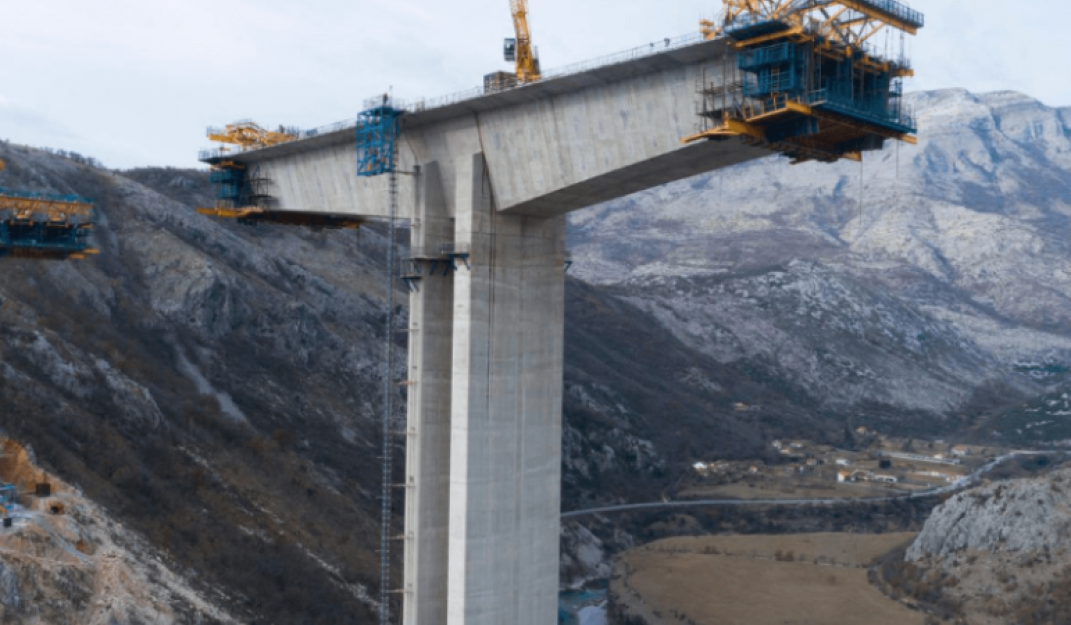
bridge construction
Disclaimer: This two-pager has been prepared by the CKN Secretariat and should not be considered the work of the individuals listed as authors of the report.
Key Takeaways:
- China engages with the Western Balkans mainly as a financier of infrastructure and investor, aiming to strengthen connectivity with the EU through the Belt and Road Initiative.
- China does not follow a unified regional strategy but builds bilateral relations, with Serbia as its key partner and weaker ties with countries like Kosovo.
- Western Balkan countries value China’s financing and low conditionality, though actual investment levels remain limited and often focus on acquiring existing assets rather than creating new ones.
- While EU and Chinese engagement are not inherently zero-sum, China’s presence can undermine EU-driven reforms by introducing alternative standards and weakening EU conditionality mechanisms.
- The EU should accept China’s role but better manage it by leveraging accession conditionality to ensure that Chinese involvement aligns with EU rules and long-term objectives.
Document
READ THE TWO-PAGER HERE
(86.59 KB)

China Knowledge Network
The Dutch China Knowledge Network (CKN) is a network established to involve China experts and disseminate knowledge within the government of the Netherlands and beyond.Our key task is to connect various angles of research and events to better understand China’s motives, policies and vision to develop more effective policies and better advise social partners. The secretariat of the knowledge network has been assigned to think tank Clingendael together with LeidenAsiaCentre. They will function primarily as ‘knowledge brokers’, matching the supply and demand of knowledge.
Related projects
98

Related Events
82