Online Briefing: Investigating a Trade War Scenario with Beijing: How Far Can China Go? (ECKN)
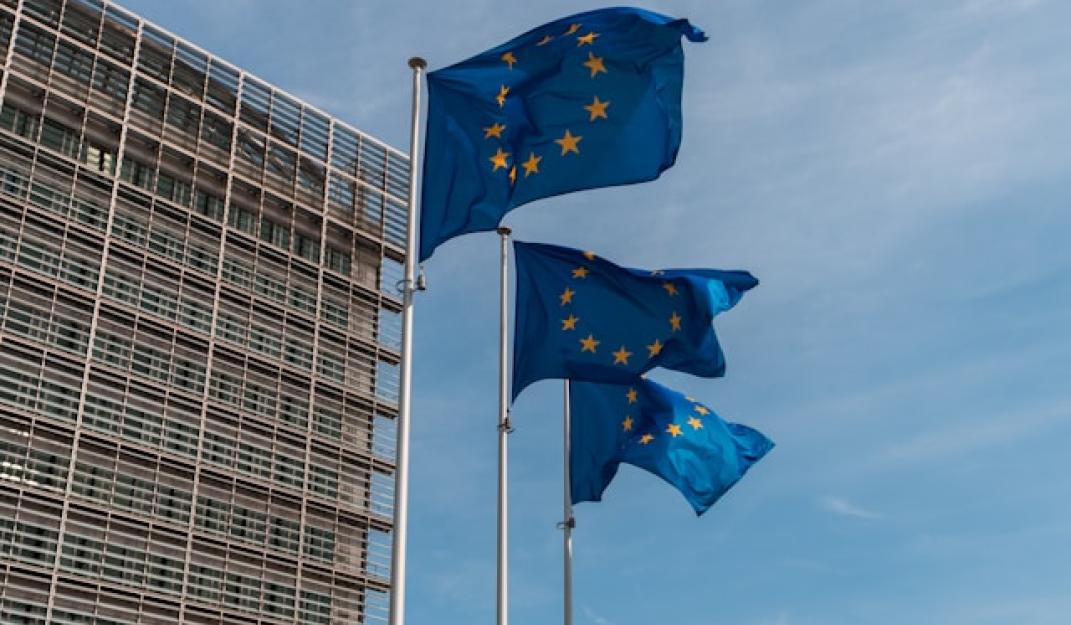
EU-China relations are approaching a crossroads as the EU gears up to respond to the so-called “China shock 2.0”. EU leaders are considering to expand and deploy a powerful combination of updated resilience- and deterrence-building tools. Beijing, which has long warned that it would not tolerate “protectionist” EU trade policies, is likely to retaliate with force to such moves by the EU. This could lead to an outright trade war and also deeply erode economic, political, and diplomatic relations between the EU and China.
Facing an increasing loss of credibility with regard to its trade defense capabilities, the EU now needs to prove that it can only respond with effective force and maintain the political will and alignment to withstand prolonged counterpressure from Beijing.
This event will investigate the potential scope of retaliation strategies from Beijing that the EU would need to prepare for. For example, China could deploy legal tools that can target the EU’s most critical raw material supply chains, or leverage individual EU Member States’ dependencies against the EU, potentially splitting the EU’s joint approach. On the other hand, a trade war would equally come with economic and political costs for China as well. For Europe, assessing correctly how far China can go, and distinguishing effectively between threatening rhetorics and Beijing’s actual determinations, will be crucial to prepare a coordinated and accurate response.
Introducing the ECKN
E-CKN is an initiative by the Dutch China Knowledge Network, the German Mercator Institute for China Studies, the Swedish National China Centre at the Swedish Institute of International Affairs and the Polish Centre for Eastern Studies (OSW). E-CKN partners with key Brussels-based organizations and other (cross-)national efforts to expand and connect China expertise across Europe via roundtable discussions, briefings, and other activities.
Speakers
Joris Teer (EUISS)
Rebecca Arcesati (MERICS)
Tobias Gehrke (ECFR)
Konrad Poplawski (OSW)
Moderator: Rosaline Lantink (Clingendael)