CKN Report Presentation - China's Foreign Related Rule of Law
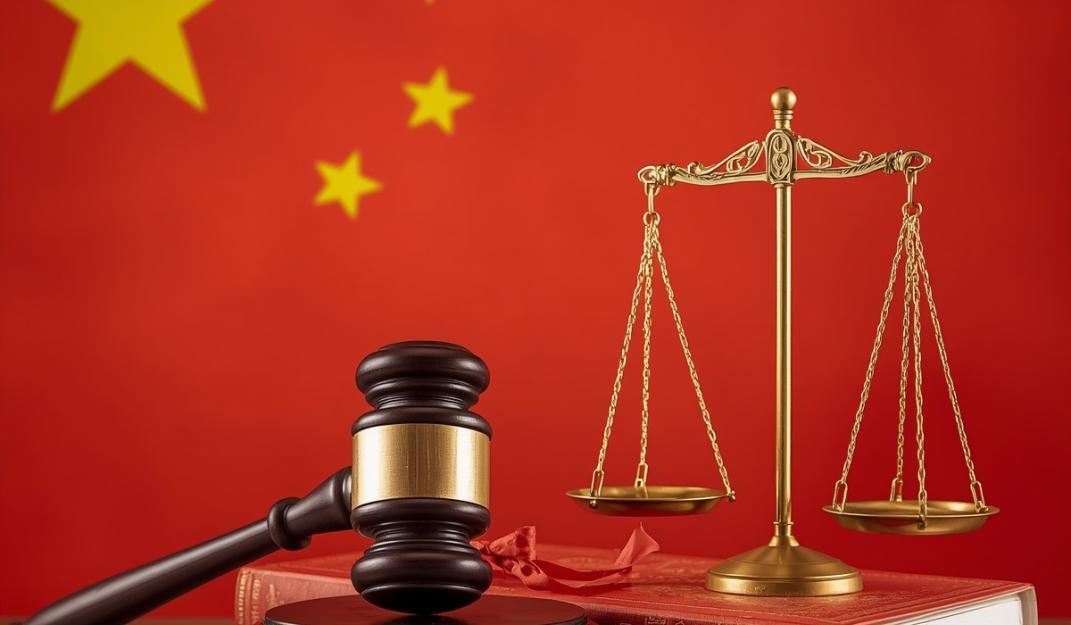
China’s foreign-related rule of law is a set of laws and legal tools that allows China to protect its interests not only inside China, but also abroad. Since 2014, China has introduced many laws and regulations that affect foreign countries, companies, and individuals. These laws are increasingly being used both within China and internationally.
This approach includes cooperation between police forces, enforcement of Chinese laws outside China’s borders, and helping other countries build legal and security capacities. For other governments and organizations, this means they need to better understand China’s legal system, engage with it when beneficial; set clear limits; and strengthen their own legal systems.
The growth of the foreign-related rule of law reflects China’s view of itself as a major global power with worldwide interests to protect. It aims to oversee and support Chinese citizens, businesses, investments, and organizations operating abroad, while safeguarding China’s national security, sovereignty, and economic development.
In the future, China intends to use this legal framework to support its growing international influence. It goes beyond traditional national security laws and includes legal and economic tools such as sanctions, tariffs, investment restrictions, export controls, and other measures. China is increasingly using law as a way to protect its interests and increase its influence around the world.
As part of broader initiatives such as the Global Governance Initiative, Global Security Initiative, and the Belt and Road Initiative, China hopes to shape and reform the international system so that global rules and institutions better reflect Chinese approaches to governance and law.
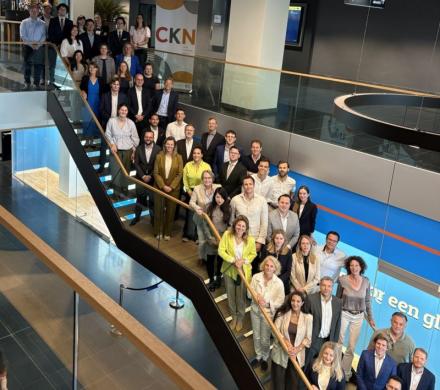
The report presented at this event is part of a joint project of the Dutch China Knowledge Network (CKN), the East Asian Institute in Singapore and the University of Cologne in Germany. The event will be co-hosted by the East Asian Institute in Singapore and the Leiden Asia Centre in the Netherlands.
About the speakers
- Frank Pieke: Visiting Research Professor EAI, NUS; and Senior Research Fellow Leiden Asian Centre
- Daniel Sprick, Ph.D.: Senior Lecturer Institute of East Asian Studies University of Cologne
- Björn Ahl: Professor and Chair of Chinese Legal Culture Institute of East Asian Studies University of Cologne
Discussants
- Matthew Erie: Associate Professor of Law, American University Washington College of Law
- Joseph Leahy: Beijing Bureau Chief, Financial Times
- Nilüfer Oral: Director Centre of International Law, Professor National University of Singapore
- Wang Jiangyu: Professor of Law and Director of the Centre for Chinese and Comparative Law, City University of Hong Kong